
Africa is grappling with a growing wave of drug-resistant infections that health experts say is threatening to reverse decades of medical progress on the continent.
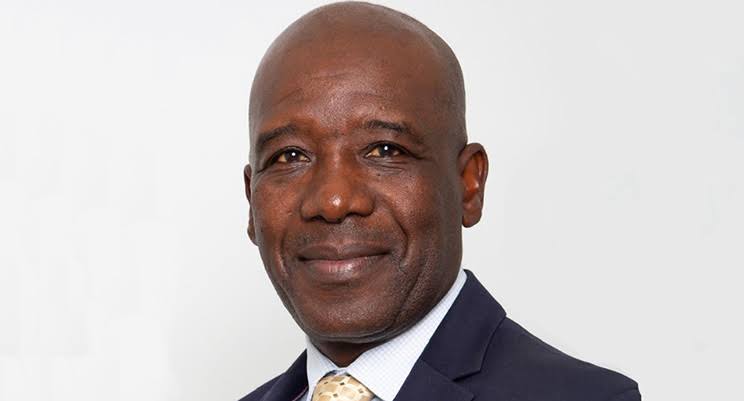
Dr Tom Nyirenda, an Extraordinary Senior Lecturer in the Department of Global Health at Stellenbosch University, has sounded the alarm in an article published on his personal blog on The Conversation.
He writes that poverty, inequality and weak health systems are accelerating the spread of antimicrobial resistance.
Antimicrobial resistance develops when bacteria, viruses, fungi and parasites adapt to survive medicines that once killed them.
As a result, routine infections become harder to treat, increasing the risk of severe illness and death.
Signs of the crisis are already evident, with resistance affecting the treatment of HIV, malaria, tuberculosis, typhoid, cholera, meningitis, gonorrhoea and dysentery across the continent.
The scale of the problem is stark.
In 2019, more than 27 per 100,000 deaths in Africa were directly caused by drug-resistant infections.
Over 114 per 100,000 deaths were associated with them.
Children under five remain the most vulnerable, accounting for half of all antimicrobial resistance-related deaths in sub-Saharan Africa.
Dr Nyirenda cites overcrowded hospitals, shortages of medical staff, poor sanitation, misuse of antibiotics and the circulation of substandard medicines as key drivers of the crisis.
In some countries, antibiotic sales without prescriptions reach 100%, making it easier for resistance to spread unchecked.
Despite the challenges, he notes encouraging signs.
The African Union has introduced a regional framework to strengthen research, coordinate policy and improve public awareness.
Partnerships such as the Global Antibiotic Research and Development Partnership are advancing new treatments.
Groups like ReAct Africa are promoting responsible use of antibiotics, while improved surveillance systems are helping countries monitor resistance trends.
Dr Nyirenda says tackling antimicrobial resistance will require greater investment, stronger infection-control systems, wider access to quality medicines and the development of new antibiotics.
“The challenges are immense,” he said, “but Africa is beginning to build the momentum needed to fight this silent killer.”







Leave a Reply