
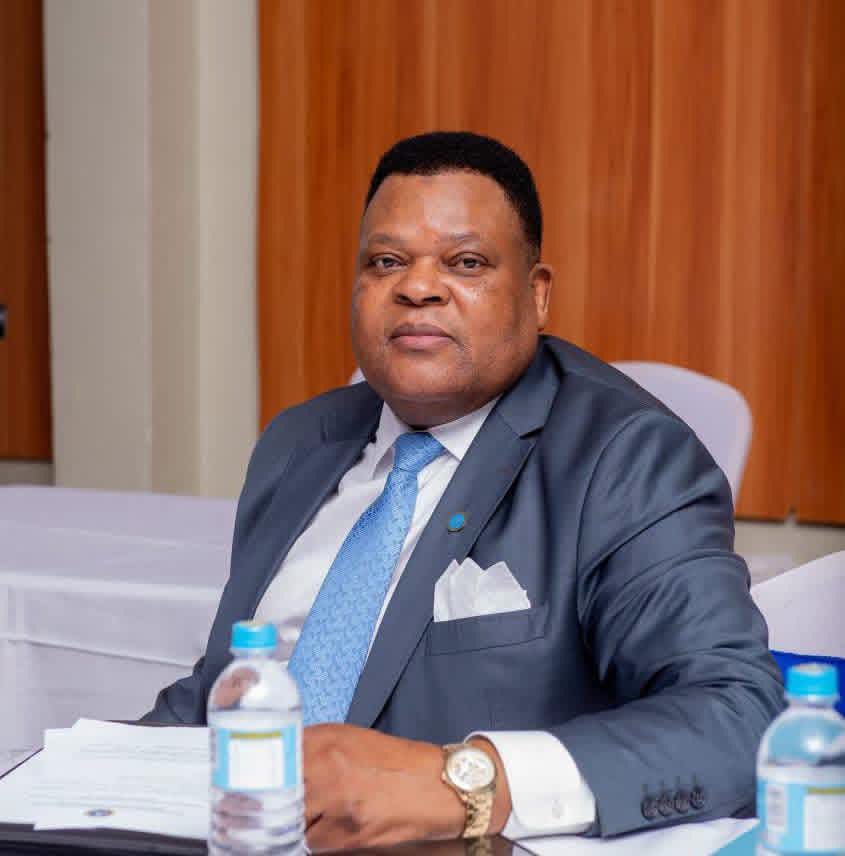
A Secretary General has one overriding duty: to defend the party, protect its integrity and hold the centre when pressure comes.
That responsibility does not end with the Secretary General. It applies to every senior member entrusted with the confidence of the party.
Leadership is not a part-time responsibility. You cannot defend the house when the sun is shining, then help pull down its walls when the storm comes. You cannot celebrate the party in moments of triumph and publicly wound it in moments of disagreement.
There is a painful word for turning your fire on your own political family: betrayal.
You may dress it up as frustration. You may call it transparency. You may even package it as “speaking truth to power.” But when internal differences are converted into public ammunition against the very institution that elevated you, the damage is the same: you have opened the door and invited your political opponents into the house.
And history teaches us something important.
The moment a senior member begins attacking his own party, those who have never wished that party well suddenly become his loudest cheerleaders.
People who spent years criticising the DPP will suddenly call you “courageous”, “independent” and “principled” the moment your words begin hurting the DPP.
Why?
Because you are now doing for them what they could not easily do themselves.
That is how political organisations are weakened. Not always by enemies standing at the gate, but sometimes by trusted people unlocking the door from inside.
Opponents will provoke. They will whisper. They will provide platforms and microphones. They will applaud every internal quarrel and magnify every disagreement, hoping that eventually we will destroy with our own hands what they failed to defeat from outside.
This is why Peter Mukhito’s intervention mattered.
As Secretary General, he understood that silence in such a moment would not be neutrality. It would be an abdication of responsibility.
He chose to defend the house.
He chose to contain the smoke before it became a fire.
He chose the difficult responsibility of leadership over the easy comfort of applause.
That is what leadership demands.
Political maturity is not measured by how loudly one speaks against one’s own organisation. It is measured by the discipline to raise legitimate concerns without destroying the institution to which one belongs.
Senior positions come with senior obligations.
Anyone who wants the prestige of sitting at the high table must also carry the burden of protecting the table when trouble comes.
Big-boy politics is not a contest for microphones, headlines or applause.
It is about responsibility.
It is about loyalty without blindness, courage without recklessness, disagreement without destruction and leadership without betrayal.
When the house is under pressure, true leaders do not pour fuel on the fire.
They help save the house.







Leave a Reply