
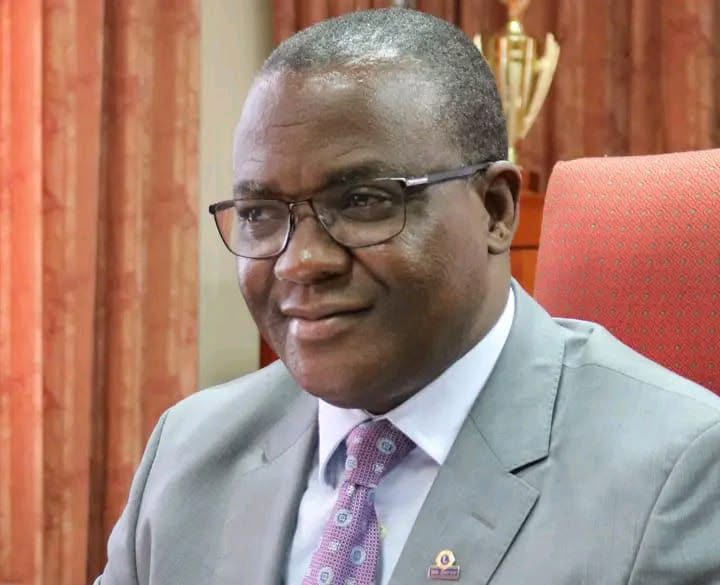
The return of the Democratic Progressive Party (DPP) to power has come with some expensive homecomings.
Sources who spoke on condition of anonymity have told our publication that Dr Henry Mathanga, who voluntarily resigned as Deputy Governor of the Reserve Bank of Malawi (RBM) in 2021 after being sent on special leave, has allegedly received a MK1.5 billion settlement.
The payment forms part of a consent order signed by Attorney General Frank Farouk Mbeta in January 2026.
The same arrangement has seen Mathanga reinstated to his former position at the central bank with effect from 1 January this year.
Mathanga, a respected technocrat who joined the RBM in 1984, cited “constructive dismissal” when he resigned in March 2021.
He was not dismissed outright. Instead, he resigned after finding the working environment unbearable under the Tonse administration. Now, with the DPP back in power, that resignation has reportedly been followed by a substantial payout.
This raises an uncomfortable question for Malawians: Should people who voluntarily resign later be compensated by the state?
If every senior official who feels politically uncomfortable and chooses to resign can later claim billions when their preferred party returns to power, where does that leave the public purse?
And what message does it send to ordinary civil servants who continue working under difficult conditions without the prospect of a golden handshake?
Our publication understands that the Attorney General’s office had initially indicated that Mathanga would not be entitled to benefits covering the entire period he was away from office between 2021 and 2025.
Yet the consent order appears to have produced a different outcome. In Malawi’s politics, critics argue that the interpretation of the law often shifts when power changes hands.
Mathanga has long been described as a man who speaks little but delivers results. His reinstatement has been welcomed by those who value competence at the central bank, particularly as Malawi continues to grapple with foreign exchange shortages and broader economic challenges.
However, the reported MK1.5 billion settlement is likely to raise eyebrows among taxpayers.
This is not an isolated case. Several officials associated with the previous DPP administration have either returned to public office or had cases against them dropped since President Peter Mutharika returned to power. Critics say the trend suggests that decisions made by one administration are often reversed by the next, sometimes at significant cost to the taxpayer.
Whether the settlement is legally sound or politically expedient is likely to remain a subject of debate. What is harder to ignore is the public perception.
At a time when many Malawian families are struggling with the rising cost of living and the Reserve Bank continues to advocate fiscal discipline, a reported payout of this magnitude to an official who voluntarily resigned raises questions about priorities.
Mathanga, the Reserve Bank and the Attorney General have maintained their silence on the matter.
However, the debate continues in offices, markets, restaurants and across online platforms: at what point does correcting past injustices become rewarding political loyalty with public funds, particularly in cases involving voluntary resignation?




Leave a Reply