
Kadmas Resources Limited, a company incorporated in Malawi has embarked on a housing and off-the grid solar solution by bringing into the country prefabricated houses that can be used as two-bedroom student accommodation units, and can also be modified into teacher’s houses or classrooms.
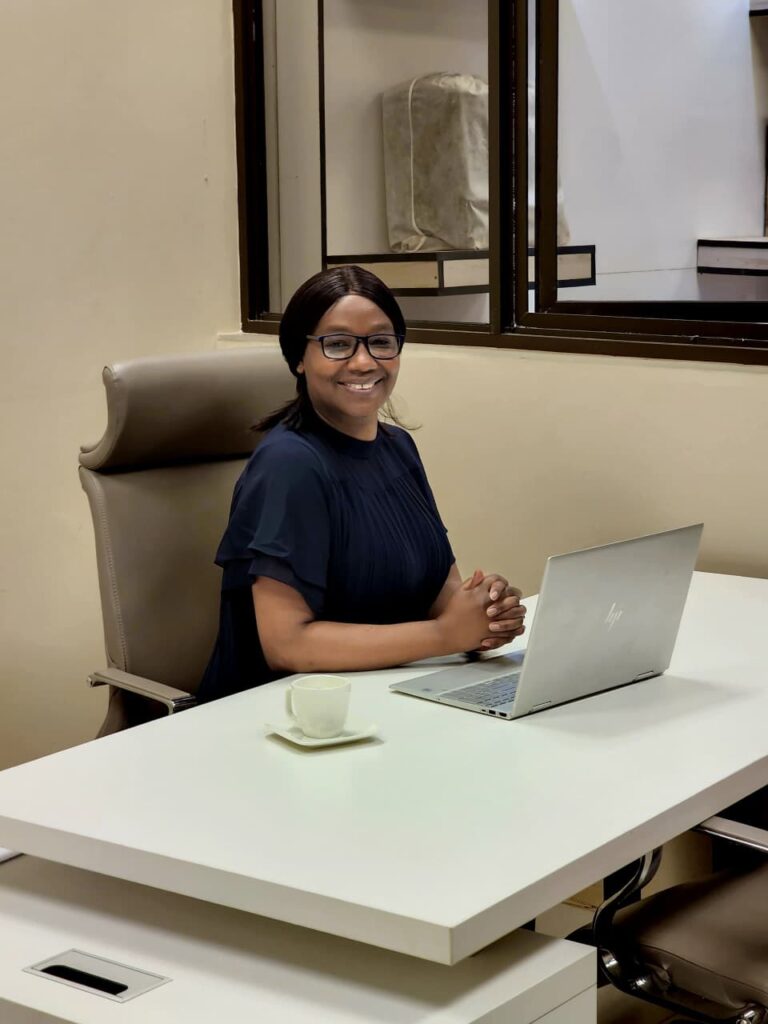
Speaking in an interview yesterday, Kadmas Resources Head of Product Development Violet Chisenga said the housing model is based on a detachable container house that is distributed under licence from an Original Equipment Manufacturer based in China and takes a minimum of five hours to erect one unit.
“The student accommodation unit, which can be erected in a minimum of 5 hours by 4 skilled workers, provides a modern living space with two separate rooms and a shared bathroom. Each room includes a bed, a study desk, a storage wardrobe, and electrical outlets.
“Bathrooms include a shower, a toilet and a sink with efficient plumbing systems. The design also includes insulation, suitable for the climate of Southern Africa, natural ventilation, and durable wall finishes. Since we are dealing directly with the Original Equipment Manufacturer, the design can be modified to suit the needs of a wide range of clientele including schools, hospitals and security institutions,” said Chisenga.
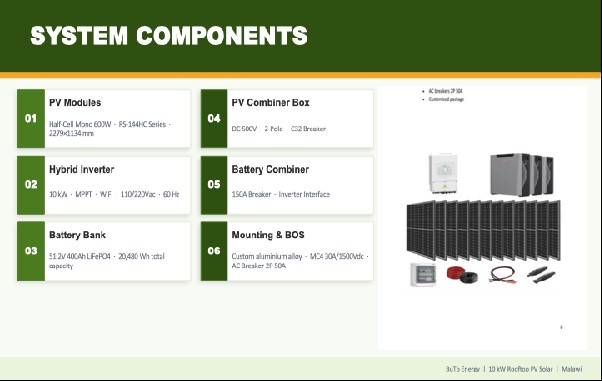
She added that an isolated solar system (10 kW) with storage can be installed to power 10 houses, and a water heater that can serve 2 houses can also be added to the package. The efficient off-grid solar system requires 6 hours of sunlight and can power 10 houses using enhanced storage for 24 hours.
Chisenga further explained that the modular system, which provides a rapid and cost-effective solution to housing shortage, is framed with a powder-coated galvanised steel structure, and has interior fireproof rock wool sandwich panels suitable for long term residential use.
“Its electrical systems comply with international safety standards, and plumbing systems will connect to existing water and sewer infrastructure. The design also allows buildings to be relocated or repurposed should it become necessary to do so,” said Chisenga.
She said her organisation is appealing to companies and organisations to work with Kadmas Resources Limited so that they can have these projects as part of their Corporate Social Responsibility (CSR) initiatives.
She said Malawi faces an acute shortage of decent accommodation and learning spaces and organizations can embrace this solution to complement efforts of the Malawi Government in ensuring that Malawians, especially students, have access to decent accommodation and learning spaces, as well as uninterrupted power.
“The housing solution, which is environmentally friendly, can also be rapidly deployed in informal settlements where people live in makeshift shacks just to have a roof over their head,” added Chisenga.
She said delivery of the prefabricated units and solar kits to Lilongwe, Malawi would be in approximately 8 weeks after confirmed order and payment and is shipped under CIF terms thereby ensuring rapid delivery, predictable costs, and scalable infrastructure development.
“Thus, within a few months, we could see a rapid deployment of these prefabricated houses and the advantage is that they are supplied inclusive of furniture making them fit for habitation and use, soon after installation,” said Chisenga.
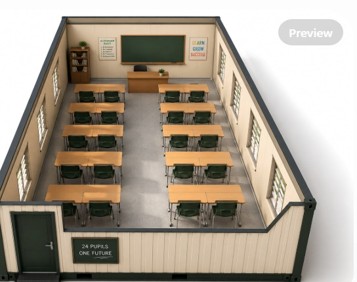
The prefabricated housing unit can also be modified into a classroom that can accommodate 24 students which would provide safe and conducive learning spaces for children in both rural and urban areas.
Association of Environmental Journalists (AEJ) President Titus Linzie said the initiative has potential environmental benefits, particularly through reduced construction activity on project sites and the use of off-grid solar energy.
“The prefabricated units will help to reduce the use of construction materials such as cement and other materials that generate waste during conventional building. This will help mitigate some of the environmental and climate challenges that we are currently experiencing,” said Linzie.
He explained that unlike conventional construction, which can involve extensive activity on building sites, prefabricated construction could minimise disturbance to surrounding land.
Linzie added that incorporating off-grid solar systems could provide a cleaner source of electricity, particularly in areas with limited access to the national grid.
“When building traditional houses there is a process that is involved that uses many natural resources from the environment which can be depleted. The same applies to conventional electricity supply. However, this initiative could help people in remote areas to access housing and electricity while minimising the materials and resources required,” said Linzie.
However, Linzie cautioned that the environmental benefits would also depend on how the solar systems and their components are managed, particularly the batteries, which require proper handling and disposal at the end of their useful life.
Kadmas Resources Limited is working in collaboration with its international partners namely Nesmar Investments Namibia, and BuTo Energy (Namibia).





Leave a Reply