
By Our Reporter
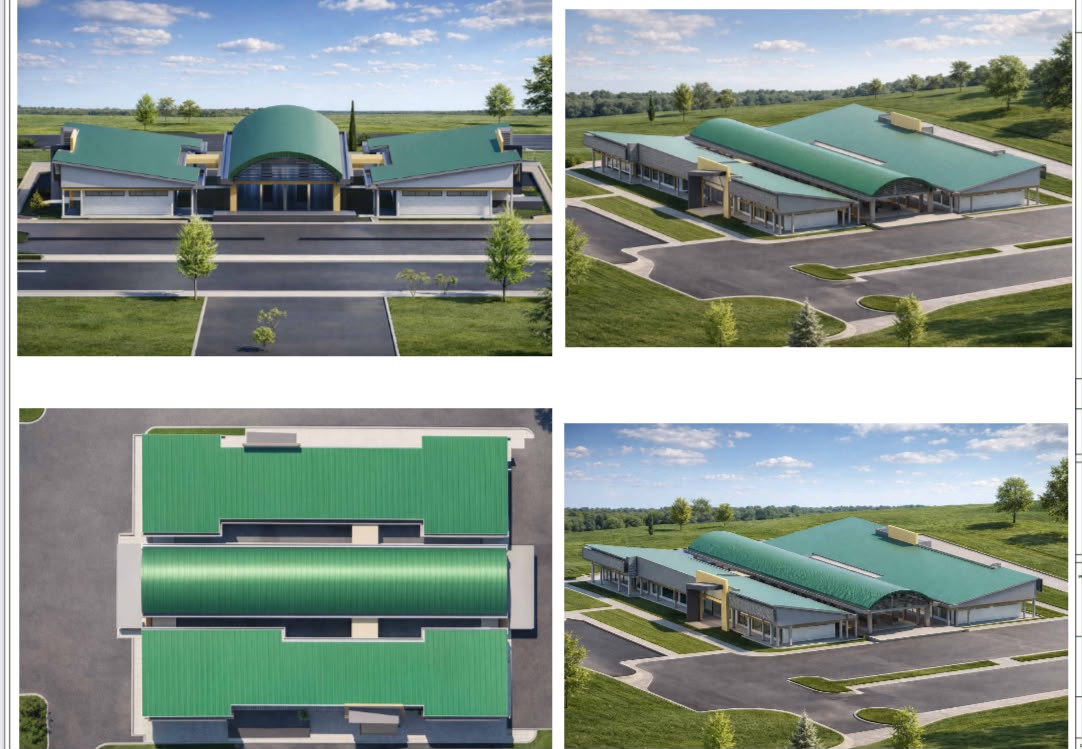
Markets, in the African context, have evolved beyond the traditional open-air spaces characterized by make-shift structures to modern infrastructure that is secure and convenient for both merchants and their clients.
Despite this being the case across the SADC region, Malawi has lagged behind in accommodating its traders in such modern structures across all the major economic centres.
It, therefore, came as relief when on February 13 this year Republican President, Professor Arthur Peter Mutharika, announced that his administration has embarked on landmark projects to address this problem.
“As part of accelerating local development, I am pleased to announce that in the 2026/27 financial year, with financing from International Fund for Agricultural Development, my Government will construct 2-storey market buildings in the cities of Blantyre, Lilongwe and Mzuzu,” said the President when officially opening the 2nd Meeting of the 52nd Session of Parliament and the 2026/27 Budget Meeting.
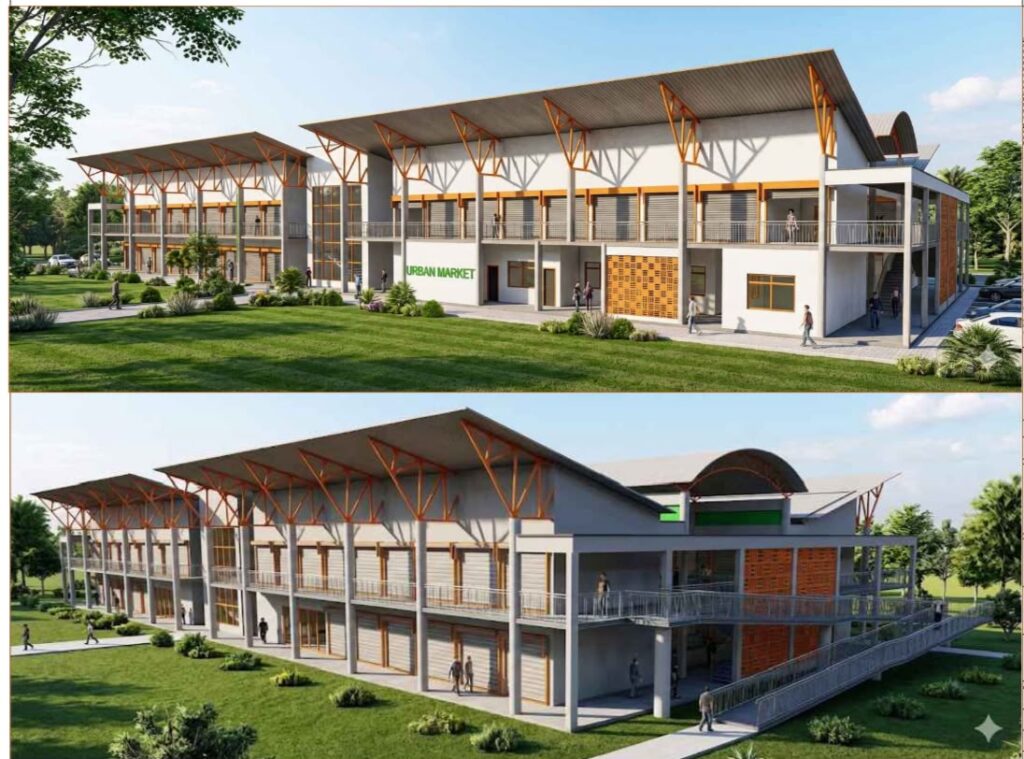
The construction of these robust local market systems is a partnership between Government of Malawi and the International Fund for Agricultural Development (IFAD).
Save for the three cities, modern markets will also be constructed in Chitipa, Nkhatabay, Dedza (at Chimbiya) and Thyolo.
This impactful project gives smallholder farmers and rural producers to participate effectively in economic growth through easy access to markets and connectivity with other key stakeholders across the value chain.
What comes prominent in this intervention is how the Ministry of Local Government has spread the project to target key economic corridors that connect Malawi to regional and continental markets.
Analysts have described location of the markets as being saying, “they are strategically positioned either in a border district or along a key trade corridor to international markets.”
In Chitipa, the modern market will be situated along the Northern Corridor via Tanzania to the rest of East Africa. To make things even much easier, government is also constructing the 32-kilometre Chitipa – Ilomba road which upon completion will enhance two-way trade between Chitipa and key cities such as Mbeya, Tunduma, Morogoro and Dodoma.
With a modern roadway and a new market at Chitipa, economic activity will surely be spurred favourably for Malawi. Thousands of Tanzanian and Zambian traders will flock to Chitipa thereby bringing in good business through services such as accommodation, food, leisure and other social activities.
A similar positive outlook is also awaiting for Nkhatabay where a modern market will enhance trade along the Mtwara Corridor which connects Malawi to Tanzania’s port cities of Mbamba Bay and Mtwara Port City along the Indian Ocean.
In Dedza, a modern market will form part of the key infrastructure on the Nacala Corridor which gives Malawi access to the Indian Ocean through Mozambique.
Another key characteristic of the project is how government has deliberately weighed it in favour of the Northern Region.
This is a deliberate move as the Mutharika administration is openly prioritizing a region that holds huge economic potential despite being sidelined for a long time.
Modern markets in Mzuzu, Chitipa and Nkhatabay redefines the country policy framework to ensure that all regions of Malawi are equally representation in the development matrix.
Local Government and Rural Development Minister, Dr. Ben Malunga Phiri, views the development as a perfect response by government to sustainable empowerment of local communities.
“Never in the history of this country has an administration taken such a strategic step to ensure that Malawi catches up with the rest of the region on the quality and operations of rural market systems. We are opening up new opportunities and expanding the space for Malawian businesses to thrive and contribute effectively to economic growth,” he says.
In line with the deliberate positioning of the markets by government, traders in the Northern Region equally measure this development as a positive benchmark not only for their ventures but for the larger economy as well.
“People of the North have time and again complained of not sharing the national development cake equally with the rest of the country. These markets here in the North signal a new era of development which focuses on empowerment of rural farmers and traders of all kinds. These are exciting times indeed,” says Christopher Harawa who plies his trade at Nkhatabay Boma.
As construction of these markets advances, Malawians now understand that what the President said in his State of the Nation Address was a clear roadmap to facilitate economic growth through vibrant participation of small-scale businesses across the country.








Leave a Reply